How Consumer Trends Influence Fragrance Development in 2026
Oct 14, 2026
How Consumer Trends Influence Fragrance Development in 2026
From mood-driven scents and modern gourmands to personalisation and conscious innovation, changing consumer behaviour is reshaping fragrance development.
Fragrance is no longer just about smelling good. Consumers are looking for scents that reflect their personalities, enhance everyday routines and create meaningful sensory experiences. From fine perfumes and body mists to personal care and air care, these changing expectations are shaping product innovation.
Understanding fragrance consumer trends helps brands identify emerging preferences and translate them into relevant, distinctive fragrance concepts.
1. Fragrance as Personal Expression
Consumers are exploring different fragrances for different moods, occasions and lifestyles. Fragrance layering, gender-inclusive compositions and versatile scent profiles are creating new opportunities across consumer fragrances.
Development opportunity: Create distinctive fragrance collections, complementary scent profiles and versatile compositions that encourage personalisation.
2. Fragrance and Emotional Wellbeing
Consumers increasingly associate fragrance with experiences such as comfort, freshness, relaxation and uplift. Citrus, aromatic herbs, soft florals, clean musks, vanilla and woods offer different ways to interpret these sensory preferences.
Development opportunity: Translate emotional concepts into balanced fragrance compositions suited to specific occasions and applications.
3. Modern Gourmands Beyond Sweetness
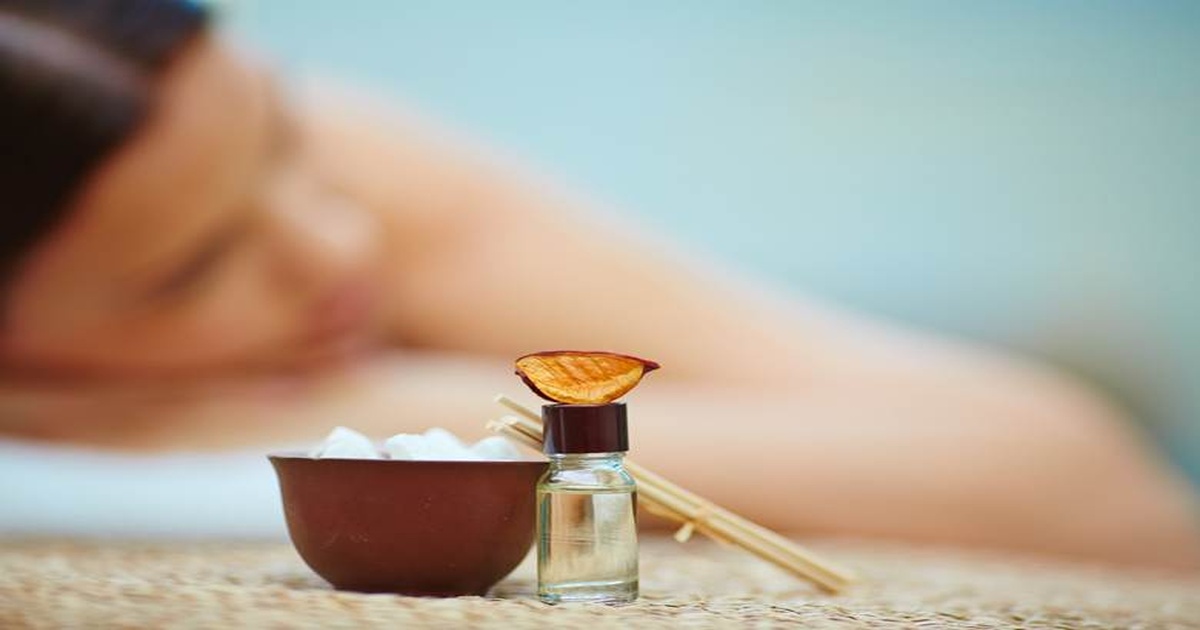
Gourmand fragrances are evolving beyond conventional sugary profiles. Contemporary interpretations combine familiar ingredients with contrasting facets for greater complexity.
Emerging creative directions include:
- Pistachio and creamy woods
- Vanilla and espresso
- Coconut and tropical fruits
- Matcha and milky accords
- Caramel and amber woods
These profiles offer opportunities across fine fragrance, body mists, lotions and home fragrance. For a cosmetic fragrance manufacturer, the challenge is to balance familiarity, differentiation and application-specific performance.
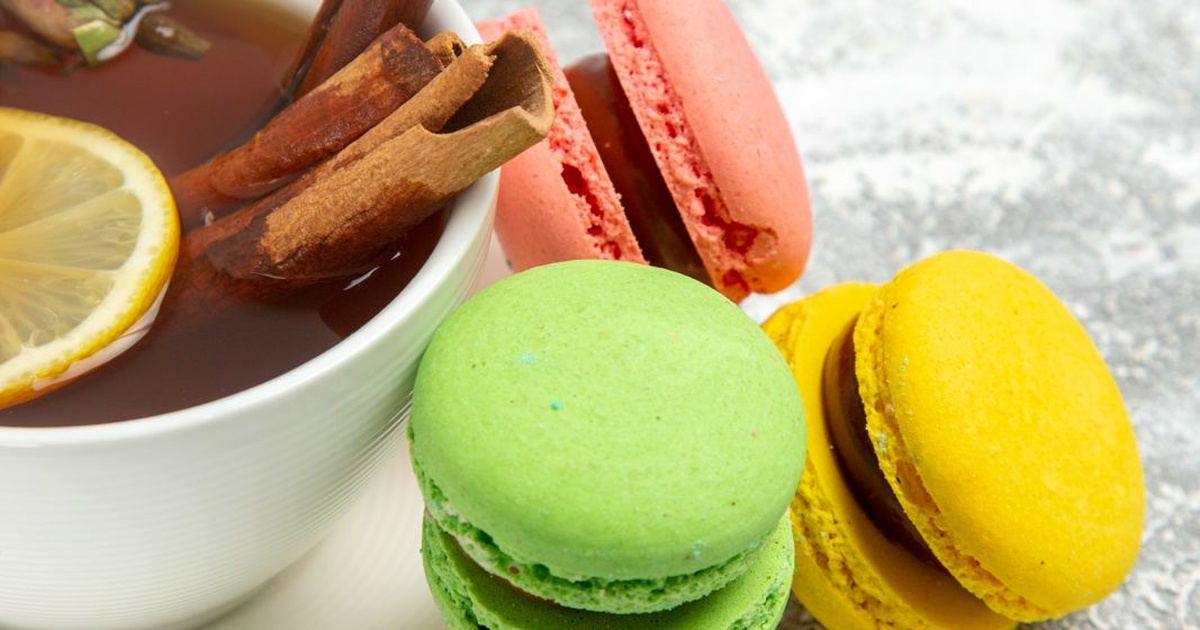
4. Freshness, Nature and Everyday Comfort
Fresh citrus, green botanicals, airy florals, herbal notes and clean musks remain relevant across personal care, bath and shower, fabric care and air care.
Rather than relying on generic freshness, brands can develop distinctive scent signatures that complement product positioning and local preferences. Tracking fragrance trends helps identify opportunities to reinterpret familiar profiles for specific consumers and applications.
5. Fragrance Beyond Traditional Perfumes
Body mists, hair perfumes, fragrance oils, solid perfumes and scented lotions are expanding the ways consumers experience fragrance.
Each format requires a different development approach. A body wash, for instance, has different formulation and sensory requirements from a fine perfume or air freshener.
Development opportunity: Adapt fragrance compositions to the finished product, ensuring the desired scent experience aligns with technical requirements and consumer expectations.
6. Digital Discovery and Personalisation
Social media and online fragrance communities influence how consumers discover new notes, niche brands and layering techniques. However, online popularity does not necessarily indicate widespread consumer demand.
Combining digital trend monitoring with structured consumer research and sensory evaluation helps brands distinguish short-lived trends from meaningful opportunities for fragrance innovation.
7. Sustainability and Ingredient Transparency
Responsible sourcing, ingredient transparency and regulatory compliance are increasingly relevant to fragrance development.
Manufacturers must balance these considerations with olfactive quality, stability, safety and application-specific performance. Sustainability claims should always be supported by credible evidence.
Resources such as the IFRA Green Chemistry Compass provide guidance on integrating green chemistry principles into fragrance ingredient development.
8. Understanding Regional Preferences
Fragrance preferences vary across markets because of cultural associations, climate, traditions and product usage habits. In India, floral, fresh, green, herbal and woody profiles provide useful starting points for exploration, alongside evolving gourmand directions.
Regional research helps brands adapt fragrance concepts to their intended audiences rather than assuming a single profile will appeal universally.
9. From Consumer Insight to Fragrance Innovation
Turning a trend into a successful fragrance requires a structured approach:
1. Identify: Understand the consumer need or emerging preference.
2. Create: Translate the insight into a clear fragrance brief.
3. Explore: Develop multiple olfactive directions.
4. Validate: Test likeability, character clarity and perceived strength with consumers.
5. Refine: Evaluate technical performance and optimise the composition for its intended application.
This approach connects consumer understanding, creative expertise and technical evaluation to support informed product development.
Conclusion: Understanding Consumers Shapes Better Fragrances
In 2026, personalisation, emotional experiences, modern gourmands, everyday freshness, new product formats and sustainability are influencing fragrance development.
The strongest concepts go beyond following popular notes. They combine consumer insight, creative interpretation and technical expertise to deliver fragrances that are relevant to their intended audience.
At AARAV Fragrances and Flavors, we bring together consumer understanding and fragrance expertise to help brands explore relevant olfactive directions across fine fragrance, personal care, home care and air care.
Have a consumer insight or emerging trend you want to translate into your next fragrance concept?
Connect with AARAV Fragrances and Flavors at marketing@aarav.co to explore your next fragrance development opportunity.
Frequently Asked Questions
1. What are the key fragrance consumer trends in 2026?
Key fragrance consumer trends include personalisation, fragrance layering, mood-oriented scents, sophisticated gourmands, nature-inspired freshness and new fragrance formats.
2. How do fragrance trends influence product development?
Fragrance trends help brands identify emerging preferences and opportunities for differentiation, informing fragrance briefs, scent profiles and product concepts.
3. What role does fragrance innovation play in beauty?
Fragrance innovation helps beauty brands create distinctive sensory experiences, explore new scent combinations and respond to evolving consumer expectations.
4. How can a cosmetic fragrance manufacturer support product development?
A cosmetic fragrance manufacturer can support fragrance creation, technical evaluation and application-specific development to help translate brand briefs into suitable compositions.
5. How are consumer fragrances evolving in 2026?
Consumer fragrances are expanding beyond traditional perfumes into body mists, hair fragrances, layering products and scented personal care, offering more ways to experience scent.
6. Why is consumer research important in fragrance development?
Consumer research validates fragrance consumer trends by assessing fragrance likeability, perceived intensity and character clarity, helping brands make more informed development decisions.