
Gen Z and Flavor: Redefining Taste Through Experience, Emotion, and Innovation
Aug 17, 2026
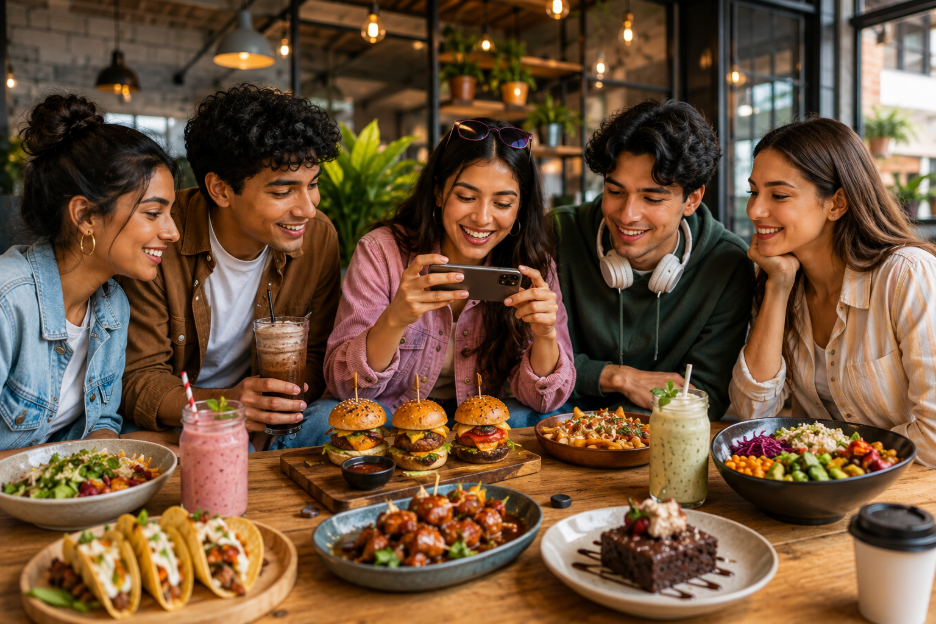
The food and beverage industry is experiencing a significant shift in how consumers discover, evaluate, and engage with flavors—and Gen Z is at the center of this transformation. For this generation, flavor is no longer simply about taste. It is part of a broader experience shaped by identity, emotion, culture, texture, social media, and novelty. Their expectations are pushing flavor manufacturers and food brands to rethink how products are developed, positioned, and experienced. [1]
A Generation That Discovers Differently
Gen Z is increasingly driven by exploration and discovery, with flavor playing an important role in their food choices. More than 1 in 4 Gen Z consumers report choosing more indulgent flavors in desserts, sweet bakery, and confectionery. They also show a heightened interest in exotic and international flavors, particularly Asian-inspired profiles.
Social media has become an important catalyst for this discovery.
44%
of Gen Z respondents get flavor inspiration from social media, while YouTube, Instagram, and TikTok are among the leading platforms influencing flavor exploration.
This means a flavor can move from viral trend → consumer curiosity → product trial much faster than traditional innovation cycles. [1]
Flavor as Experience and Self-Expression
For Gen Z, flavor is increasingly connected to experience, originality, and personal expression. They are attracted to rich tastes, distinctive combinations, and sensory experiences that feel different from ordinary.
Texture is an important part of this experience. Creamy, chewy, buttery, gooey, and other distinctive textures can enhance the appeal of an otherwise familiar flavor.
This is driving interest in bold, layered flavor profiles rather than simple single-note flavors. Familiar profiles such as chocolate, vanilla, coffee, and caramel continue to have strong appeal, but they can be refreshed through complementary notes, improved balance, or unexpected twists. [2]

The Rise of Mood-Based Flavors
Gen Z's relationship with food is increasingly connected to mood and emotional wellbeing.
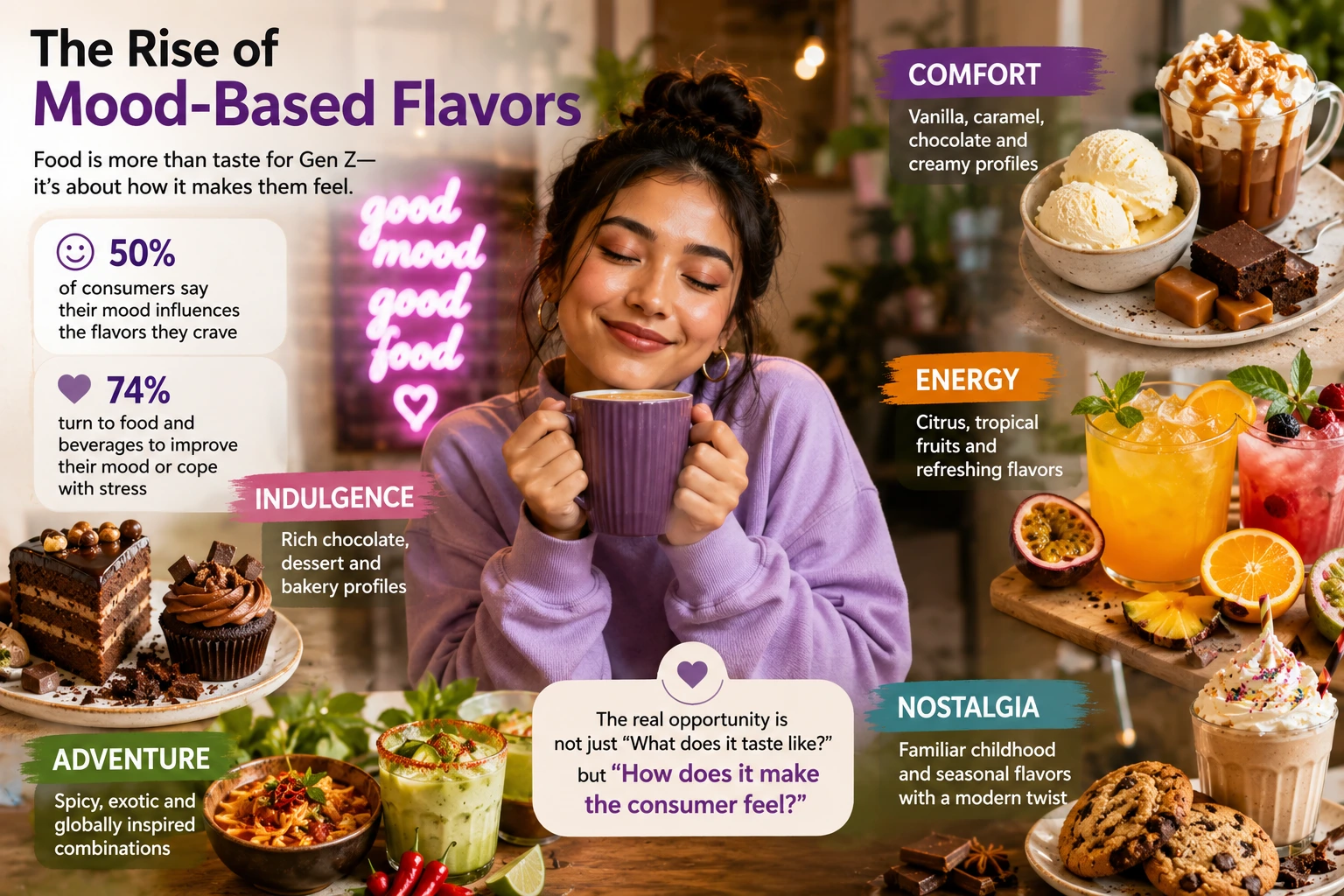
Globally, half of consumers say their mood influences the flavors they crave, while
74%
turn to food and beverages to improve their mood or cope with stress.
Sweet flavors are associated with happiness, while creamy and rich profiles are linked with comfort.
This creates opportunities for flavor concepts built around emotional occasions:
- Comfort: vanilla, caramel, chocolate and creamy profiles
- Energy: citrus, tropical fruits and refreshing flavors
- Indulgence: rich chocolate, dessert and bakery profiles
- Adventure: spicy, exotic and globally inspired combinations
- Nostalgia: familiar childhood and seasonal flavors with a modern twist
The opportunity is therefore not just to ask, “What does it taste like?”, but also “How does it make the consumer feel?” [2]
Global Flavors Meet Familiar Formats
Gen Z's exposure to global cuisines through travel, digital content, and social media is broadening their flavor expectations.
51%
of global consumers are seeking cuisines from other countries, while traditional foods with a modern twist are gaining interest.
However, global flavors do not necessarily need to be presented in completely unfamiliar formats. They can be introduced through familiar products such as beverages, bakery, dairy, ice cream, and snacks.
This creates opportunities for combinations such as:
- Matcha + Vanilla
- Mango + Chilli
- Rose + Lychee
- Coffee + Cardamom
- Chocolate + Sea salt
- Ube + Coconut
- Pistachio + Saffron
- Korean-inspired sweet & spicy profiles [3]
The key is familiarity with a twist—making experimentation accessible rather than overwhelming.
The Power of the “Wow” Factor
Gen Z's appetite for novelty is also accelerating interest in flavor fusions and unexpected combinations. Globally,
56%
of consumers are interested in trying flavor fusions, while dessert mashups are particularly appealing to consumers.
Sweet and spicy—or “swicy”—is one example of this movement. Other combinations include sweet + salty, fresh + spicy, and contrasting flavor profiles that create a more dynamic sensory experience.
For brands, this opens the door to limited editions, seasonal launches, cross-category mashups, and unexpected flavor pairings that can generate curiosity and social conversation.
Authenticity Still Matters
Despite their appetite for experimentation, Gen Z does not want innovation at the expense of authenticity.
Artificial, exaggerated, or overly candy-like profiles can reduce credibility, particularly in beverages. Consumers increasingly expect the flavor to match what the product promises on the label.
This makes natural perception, balance, and flavor authenticity increasingly important. A chocolate flavor should taste rich rather than simply sweet; vanilla should feel rounded and warm; and fruit flavors should deliver freshness and balance.
The challenge for flavor developers is therefore to create something new without making it feel artificial or forced.
The Future: A More Dynamic Flavor Landscape
Gen Z is not simply creating demand for new flavors—it is changing the way flavor innovation happens.
The next generation of successful flavor concepts will combine:
Familiarity + Novelty + Authenticity + Emotion + Sensory Experience
For flavor manufacturers, this represents an opportunity to move beyond traditional flavor development and create experiences that are memorable, shareable, culturally relevant, and emotionally engaging.
The future of flavor is no longer just about creating something that tastes good. It is about creating a flavor that gives consumers a reason to discover, experience, remember, and share it.
So, the next time a flavor trend goes viral, ask yourself: is your product portfolio ready to ride it?
Let's build your Gen Z flavor story together at marketing@aarav.co . Visit to learn more at www.aarav.co
FAQs
1. What flavors are Gen Z most interested in right now?
Gen Z flavor trends are increasingly centered around bold, layered, and experimental combinations. Flavor trends 2026 include sweet-spicy (“swicy”) pairings, global fusions such as mango-chili and ube-coconut, and rich, indulgent profiles in desserts and bakery items. These evolving global flavor trends often refresh familiar tastes with unexpected twists, creating new opportunities for flavor innovation trends.
2. How does social media influence Gen Z's flavor choices?
Social platforms are a major driver of Gen Z food trends in 2026 and flavor discovery. Nearly half of Gen Z consumers say they get flavor inspiration from social media, particularly TikTok, Instagram, and YouTube. Viral content can quickly transform a niche flavor into a mainstream trend, influencing Gen Z snacking habits and accelerating the adoption of new flavor fusion trends.
3. Why does mood matter for flavor preferences?
Gen Z food preferences are increasingly influenced by mood and emotional needs. Mood based flavors can range from comforting and nostalgic profiles to energizing, indulgent, or refreshing combinations. This reflects a broader shift toward sensory food experiences, where consumers choose flavors not only based on what they crave but also on how they want to feel.
4. What does "swicy" mean in food trends
“Swicy” refers to the (sweet-and-spicy) swicy flavor trend, combining contrasting profiles such as hot honey, chili chocolate, or chili-infused desserts. As part of current Gen Z flavor trends, swicy combinations create a more dynamic and layered sensory experience. It is also an example of the growing flavor fusion trends shaping food and beverage innovation.
5. Does Gen Z prefer natural or artificial flavors?
Gen Z increasingly values natural flavor perception and authenticity over artificial or overly candy-like profiles, particularly in beverages. Consumers expect the sensory experience to match what is promised on the label, even when the flavor itself is novel or experimental. This makes authentic sensory food experience an important consideration in developing products for Gen Z.
6. How can food brands appeal to Gen Z flavor preferences?
Brands can respond to Gen Z food trends 2026 by combining familiarity with novelty. Recognizable flavors such as chocolate, vanilla, citrus, and fruit can be enhanced with unexpected twists, distinctive textures, or global flavor trends. Successful flavor innovation trends should balance experimentation with authenticity, creating products that deliver an engaging sensory food experience and are relevant to evolving Gen Z snacking habits.
Sources -
- Innova Market Insights. (2026, January 29). Global Flavor Trends 2026: Redefining the food and Beverage landscape. https://www.innovamarketinsights.com/trends/global-flavor-trends-2026/
- Reinoso, K. L. (2026, June 18). Gen Z Eating Habits - Tastewise. Tastewise. https://tastewise.io/blog/gen-z-eating-habits
- Mintel. (n.d.). Mintel – Attitudes to Desserts Including Ice Creams, India 2025