
The World of Olfactive Constants: How Scent Travels Across Regions
Aug 24, 2026
Fragrance may be universal, but the way we experience it is shaped by where we are. From the warm, creamy richness of sandalwood in India to the deep character of oud in the Middle East, the same world of fragrance can take on completely different identities across regions. These recurring scent signatures are what we call olfactive constants. Fragrance notes and materials that consistently resonate within a particular geography, culture, climate, or consumer landscape.
One World. Different Olfactive Signatures.
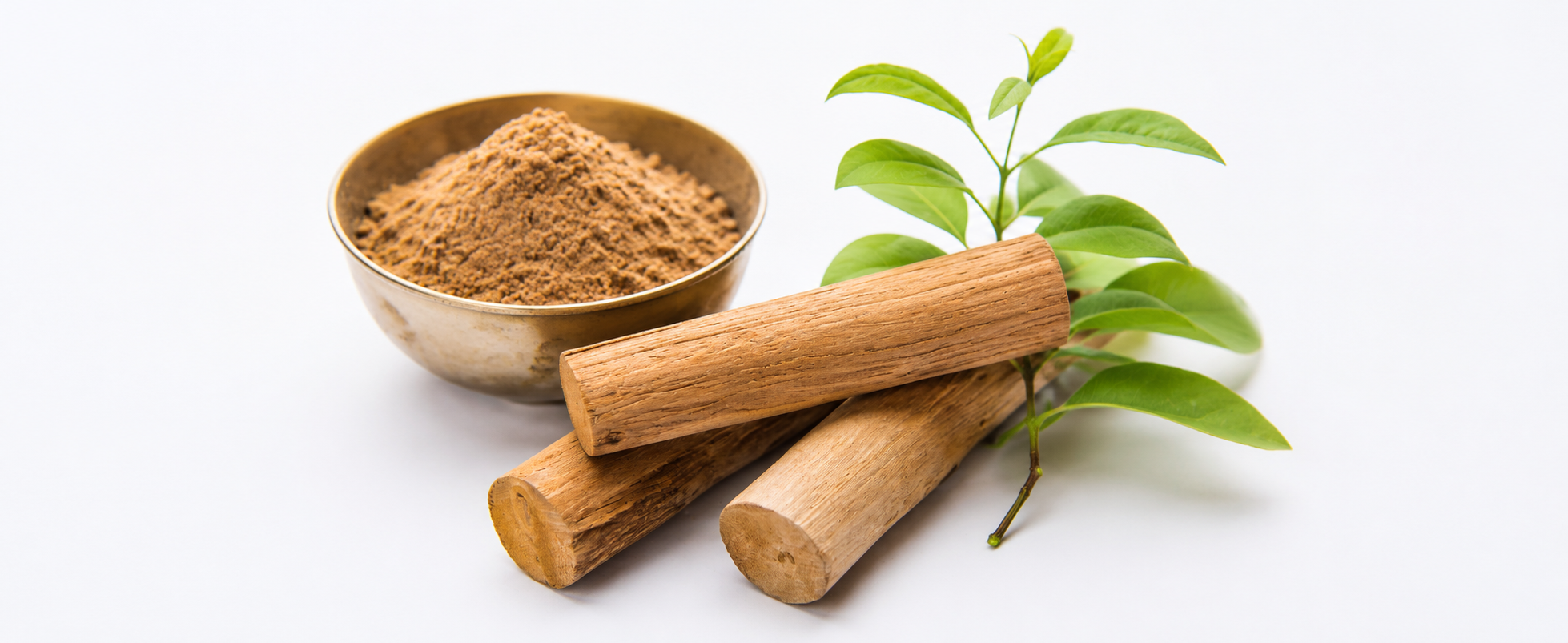
India — Sandalwood - Creamy woods, warmth and familiarity.
Warm, smooth and unmistakably comforting, sandalwood has a deep-rooted place in Indian fragrance culture.
Its creamy, woody character brings a sense of calm and familiarity, while its richness makes it incredibly versatile across fine fragrance, personal care and home applications. In a climate as warm as India's, sandalwood's soft, lingering profile becomes particularly relevant, offering warmth without feeling overly heavy.
For a fragrance oil manufacturer, understanding such regional preferences is an important part of creating fragrances that feel authentic and relevant to consumers.
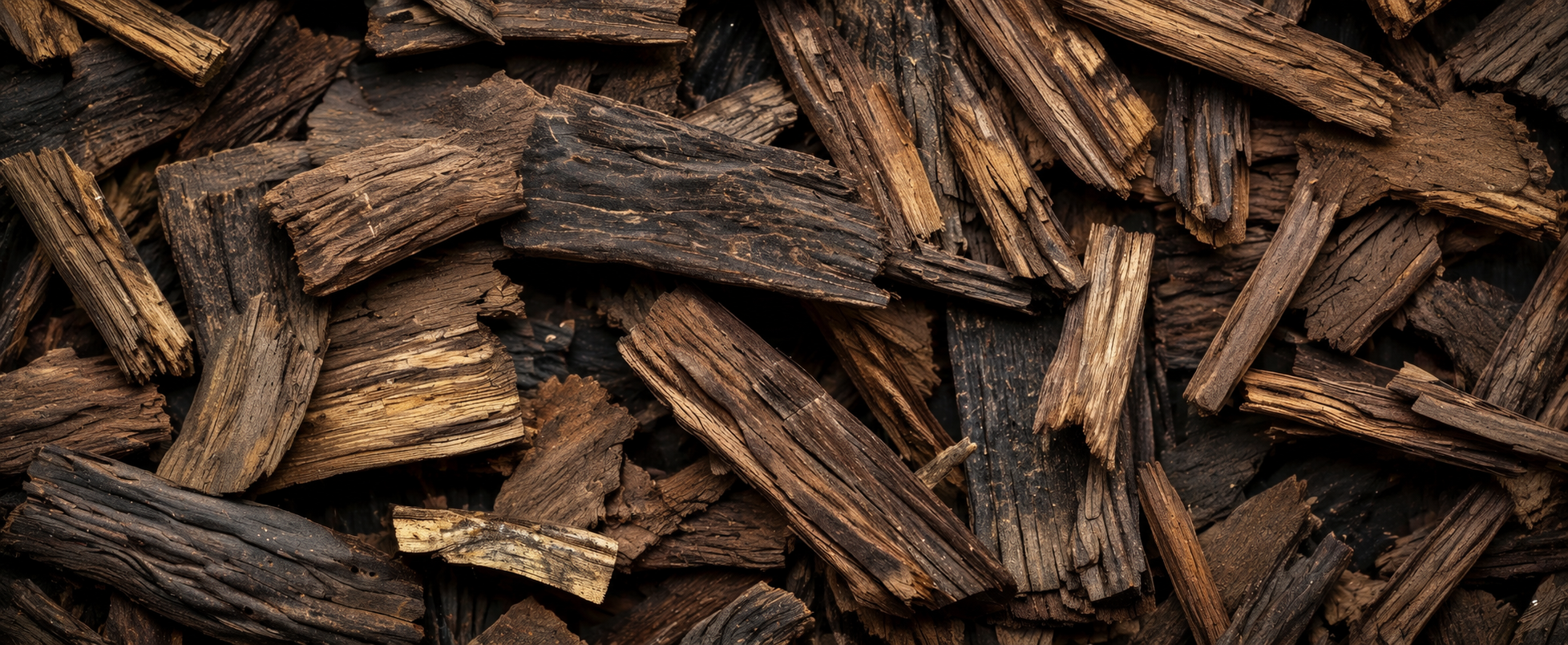
Middle East – Oud - Depth, richness and unmistakable intensity.
Few materials carry the intensity and cultural presence of oud.
Deep, resinous, smoky and luxurious, oud has become synonymous with the Middle Eastern fragrance landscape. Its powerful character lends itself naturally to rich, long-lasting compositions where intensity and sophistication take centre stage.
Here, fragrance is not simply about smelling good. It is about creating presence.
For a fragrance manufacturer, recognising these regional olfactive constants can play an important role in fragrance development, helping translate cultural preferences and environmental influences into distinctive fragrance compositions.
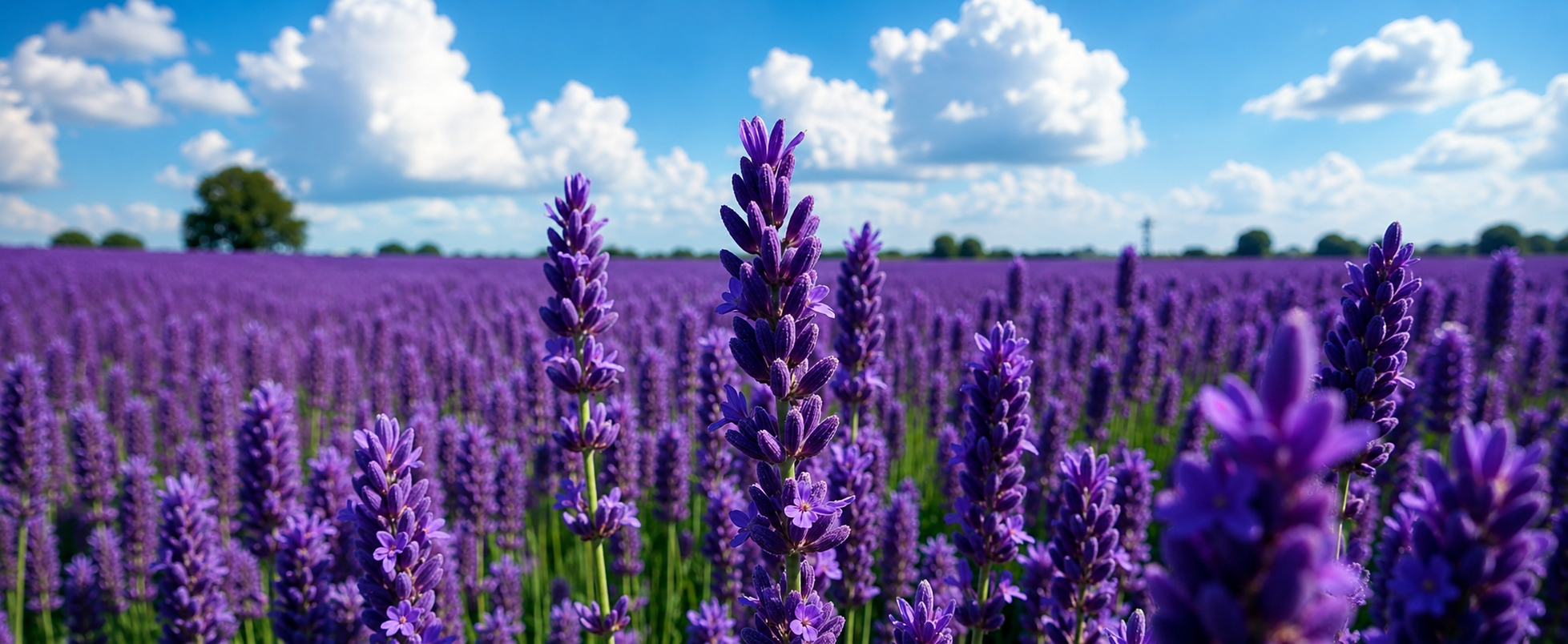
Europe – Laven der –Freshness, serenity and effortless refinement.
Moving towards cooler European landscapes, the fragrance story becomes lighter, cleaner and more aromatic.
Lavender brings together freshness and familiarity with its herbal, floral character. It can feel simultaneously soothing and sophisticated, making it a versatile ingredient across personal care and fragrance categories.
Against a cooler climate, its crisp aromatic quality feels especially at home.
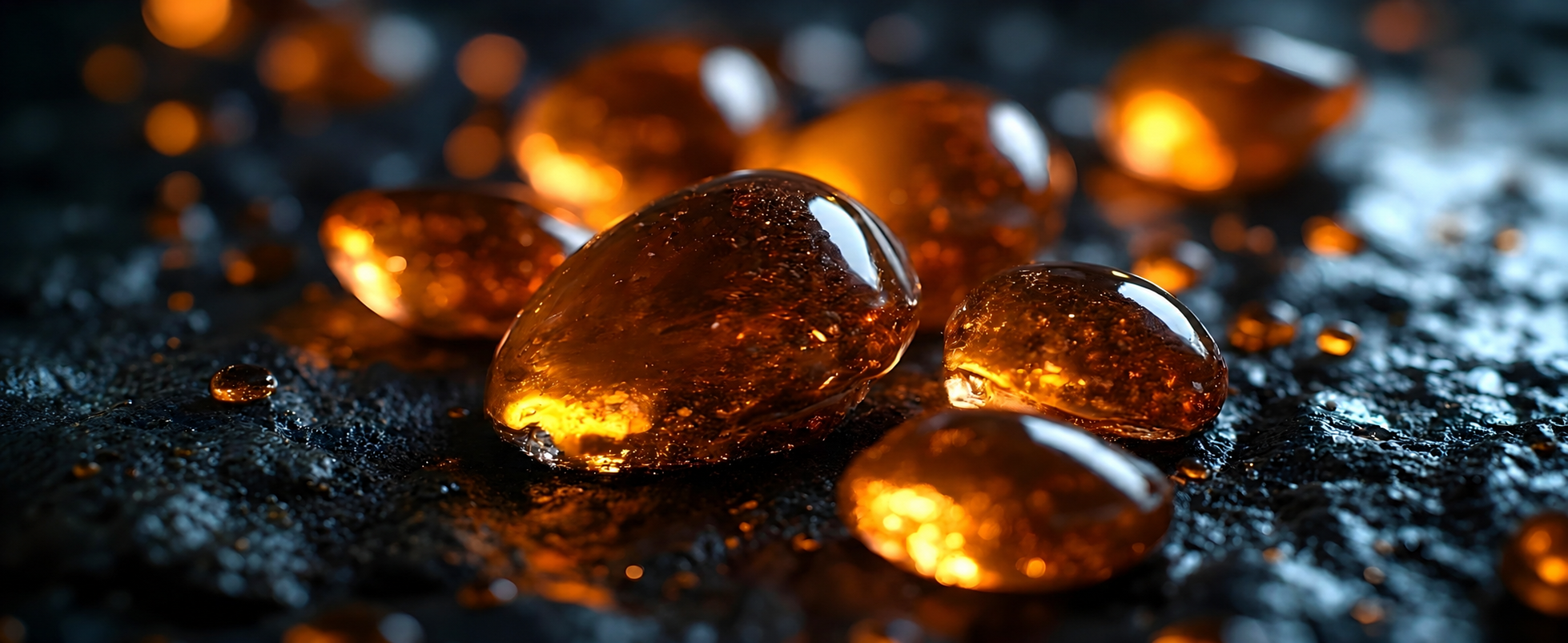
Africa –Amber –radiance, warmth and sensuality.
Warmth takes centre stage in Africa, and amber mirrors it beautifully.
Rich, glowing and sensual, amber creates a feeling of warmth and depth. Its sweet, resinous character can transform a fragrance into something enveloping and memorable, particularly within warmer, more immersive olfactive profiles.
From Climate to Culture, Fragrance Has a Geography.
Sandalwood. Oud. Lavender. Amber.
Each represents more than a fragrance note. Together, they demonstrate how climate, culture, tradition and consumer preferences intersect to create regional olfactive identities.
For fragrance manufacturers, understanding how materials such as sandalwood, oud, lavender and amber perform across different markets can offer valuable direction for both regional and global fragrance creation.
As fragrance continues to evolve, understanding these constants can help brands identify what feels familiar today and where the next opportunity might emerge tomorrow.
For fragrance manufacturing companies, this understanding can support more informed fragrance development, from selecting the right materials to creating compositions that connect with specific markets and consumer expectations.
Because fragrance doesn't exist in isolation. It lives in places, cultures, and moments.
And sometimes, the best way to understand where fragrance is going is to first understand what never goes away.
Discover Your Next Olfactive Direction.
From regional fragrance preferences to emerging global trends, understanding the right olfactive constants can help create fragrances that connect with consumers and markets.
Whether you're looking for fragrance development or exploring new fragrance profiles, our team can help bring your fragrance vision to life.
Connect with us at marketing@aarav.co . to explore your next fragrance opportunity.
Frequently Asked Questions
1. What does a fragrance oil manufacturer do?
A fragrance oil manufacturer develops and produces fragrance oils designed for applications across personal care, home care, fine fragrance and other consumer categories. The process combines raw material expertise, creative formulation and technical understanding to create consistent fragrance profiles.
2. How does a fragrance manufacturer approach fragrance development?
A fragrance manufacturer typically combines consumer insights, market trends, raw material expertise and technical requirements during fragrance development. This helps create compositions that are distinctive while remaining relevant to the intended market and application.
3. What should I look for in Fragrance Manufacturers in India?
When evaluating Fragrance Manufacturers in India, consider their expertise in fragrance development, range of fragrance applications, quality standards, manufacturing capabilities and ability to create fragrances tailored to specific consumer and market requirements.
4. Why is fragrance development important for different regions?
Fragrance development helps account for regional preferences, cultural associations, climate and consumer expectations. Working with an experienced fragrance manufacturer can help translate these factors into fragrances that feel relevant and authentic to different markets.
5. How do fragrance manufacturing companies create fragrances for different markets?
Fragrance manufacturing companies study factors such as local olfactive preferences, cultural influences, climate, application and consumer behaviour. These insights can then guide material selection and formulation to create fragrances suited to specific markets.
6. Can Fragrance Manufacturers in India develop fragrances for global markets? Yes. Experienced Fragrance Manufacturers in India can develop fragrance solutions for diverse international markets by combining regional market understanding with global fragrance trends, technical expertise and tailored fragrance development capabilities.